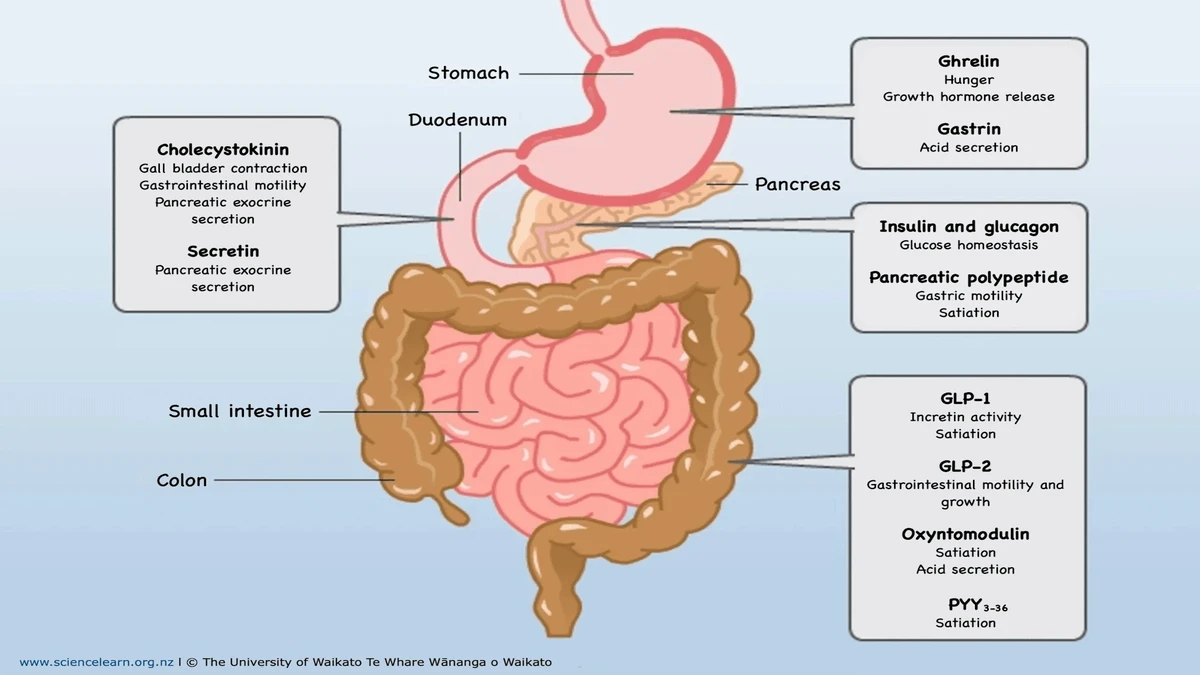
What Doctors Don’t Always Explain About gut hormones
Many women reach their late 30s or 40s and begin noticing changes they weren’t prepared for—poor sleep, mood swings, hot flashes, weight gain, or mental fog.
When they seek answers, the response is often the same:
“It’s just hormones.”
While that’s partly true, it’s far from the whole picture. Hormones don’t act on their own. They depend on other systems in the body to stay balanced—especially the gut.

Understanding Perimenopause in Simple Terms
Perimenopause is the natural transition that occurs before menopause. It can last several years and often begins earlier than expected.
During this time, estrogen levels fluctuate unpredictably. These ups and downs—not just low hormone levels—are what trigger many common symptoms, including:
- Irregular menstrual cycles
- Hot flashes and night sweats
- Sleep disturbances
- Mood changes and anxiety
- Difficulty concentrating
This phase isn’t a disease or a failure of the body. It’s a period of adjustment.
The Gut’s Role in Hormonal Balance
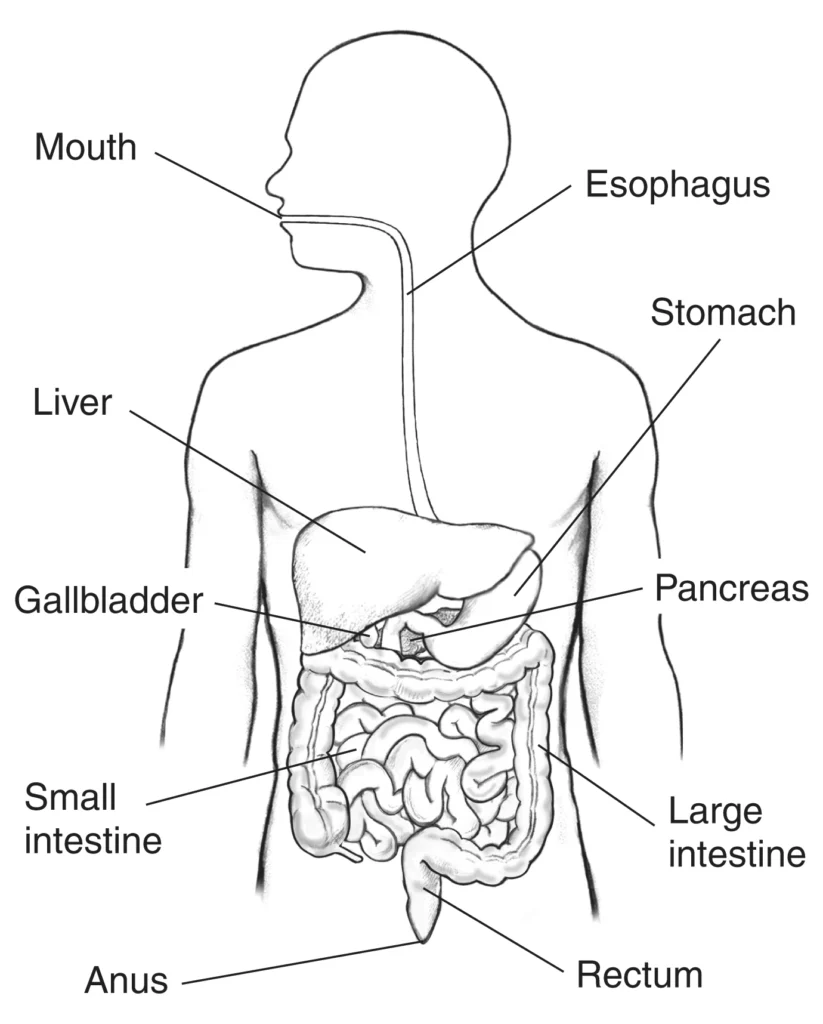
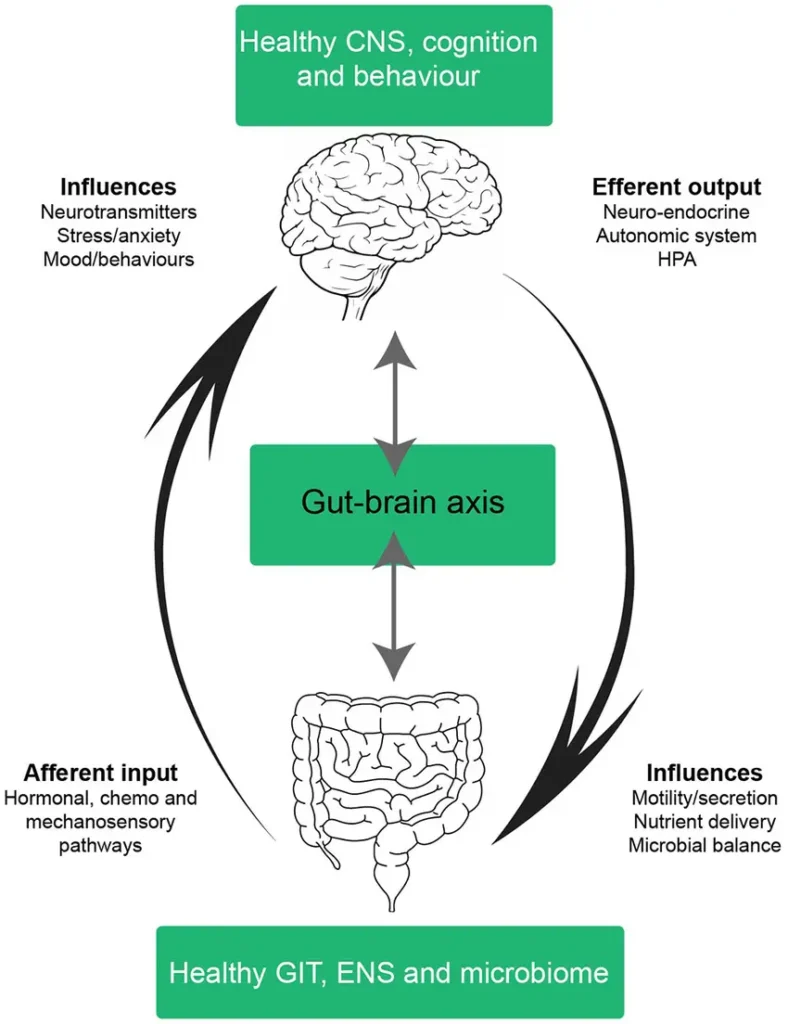
The gut does far more than digest food. It plays an important role in regulating hormones and communicating with the brain.
In simple terms, the gut helps:
- Process and eliminate excess hormones
- Influence stress hormones like cortisol
- Produce and regulate neurotransmitters that affect mood and sleep
- Manage inflammation in the body
This connection between the gut and hormones is often referred to as the gut–hormone axis.
When the gut is healthy, the body adapts more easily to hormonal changes. When it’s under strain, symptoms can become more noticeable.
Why Hormone Tests Don’t Always Tell the Full Story


Many women are told their hormone tests look “normal,” yet they still feel unwell.
This happens because:
- Hormone levels change daily during perimenopause
- Symptoms are influenced by how hormones are processed, not just their levels
- Gut health affects how hormones are broken down and cleared
As a result, lab results don’t always reflect how a person feels.
Perimenopause Is Not a Breakdown—It’s a Transition
Perimenopause is best understood as a stress test for the body’s regulatory systems.
When sleep is poor, stress is high, or digestion is compromised, the body has fewer resources to manage hormonal shifts. That’s when symptoms tend to worsen.
This explains why experiences vary so widely from one woman to another.
What Many Women Notice When Their Body Is Supported

When women focus on supporting their overall health—rather than trying to “fix” hormones—many report gradual improvements, such as:
- More consistent and restorative sleep
- Fewer or milder hot flashes
- Improved mood stability
- Better stress tolerance
- Clearer thinking and steadier energy
These changes usually happen over weeks, not days, and consistency matters.
A More Balanced Way to Approach Hormonal Changes
Perimenopause doesn’t need to be endured in silence or dismissed as inevitable suffering.
A supportive approach often includes:
- Prioritizing sleep and daily routines
- Managing stress more intentionally
- Supporting gut health through diet and lifestyle
- Seeking medical guidance when symptoms are severe or persistent
Rather than fighting the body, this approach works with it.
Final Thoughts
Hormones are an important part of perimenopause—but they’re not the whole story.
The gut, nervous system, and daily habits all influence how hormonal changes are experienced. When these systems are supported, many women find this phase far more manageable than they were led to believe. Understanding this connection helps replace confusion with clarity—and frustration with practical support.
When the body’s support systems are overwhelmed, hormonal shifts feel harsher.
When those systems are supported, this phase often becomes far more manageable. That’s a conversation many women are only now starting to hear.
Leave a Reply